
Sensitive skin is a common yet often frustrating concern for many people. It is characterized by heightened reactions to a variety of triggers, such as harsh skincare products, environmental changes, allergens, and even certain aesthetic treatments. These triggers can lead to discomfort, including irritation, redness, dryness, and even inflammation. For individuals with sensitive skin, choosing the right professional skincare and aesthetic treatments becomes crucial to avoid further aggravating the skin and to maintain its long-term health and appearance.
Fortunately, there are a variety of safe and effective treatments designed specifically for sensitive skin that can help restore balance and radiance without causing irritation. In this comprehensive guide from Eclat Medical Aesthetics, we’ll explore the most suitable aesthetic treatments for sensitive skin, their benefits, and how they can help you achieve smooth, glowing skin while minimizing discomfort.
What Is Sensitive Skin?
Sensitive skin is a skin type that is prone to irritation, redness, dryness, and inflammation. It reacts easily to a variety of triggers such as harsh products, extreme weather, pollution, and stress. Symptoms of sensitive skin can include:
- Redness and visible flushing
- Burning or stinging sensations
- Tightness and persistent dryness
- Rashes or small, reactive bumps
- Visible blood vessels (capillaries)
Understanding your skin’s sensitivity is essential before opting for any medical aesthetic treatments. Since sensitive skin can easily react to aggressive procedures, it’s important to choose treatments that are gentle, safe, and administered by experts who understand skin barrier health.
Common Triggers for Sensitive Skin
Several factors can trigger irritation in sensitive skin. These include:
- Harsh chemicals in skincare products: Certain ingredients like alcohol, synthetic fragrances, and strong exfoliants can strip the skin barrier.
- Environmental factors : Pollution, extreme temperatures, and UV sun exposure can significantly increase sensitivity.
- Diet and stress : A poor diet, dehydration, and high stress levels can also impact the health of sensitive skin.
- Certain treatments : Aggressive facials, deep chemical peels, and high-intensity lasers can aggravate sensitive skin if not done properly or tailored to the individual.
To keep your skin healthy, it’s important to avoid these triggers and choose safe facial treatments that won’t cause flare-ups.
Why You Need Special Care for Sensitive Skin
Sensitive skin requires extra attention to avoid chronic irritation and secondary issues like post-inflammatory hyperpigmentation. Traditional beauty treatments or harsh products may worsen symptoms, so opting for treatments that are designed specifically for sensitive skin is crucial. These treatments use gentler methods and specialized ingredients that help to heal, nourish, and protect the skin barrier without causing further distress.
Top Aesthetic Treatments for Sensitive Skin
Here’s a breakdown of the best aesthetic treatments that are safe and effective for sensitive skin:
1. Diamond Facial (Diamond Microdermabrasion)
The Diamond Facial is a luxurious treatment that uses advanced diamond microdermabrasion technology to exfoliate the skin gently. This treatment is ideal for sensitive skin because it works on the outermost layer without the use of harsh crystals or irritating chemicals.
How it Works:
- A diamond-tipped wand is used to gently exfoliate the skin, removing dead skin cells and impurities.
- It stimulates micro-circulation, promoting healthier, smoother skin.
Benefits:
- Exfoliates and brightens the complexion.
- Reduces the appearance of fine lines and uneven skin tone.
- Non-invasive and non-irritating, making it perfect for sensitive skin types.
Post-Treatment Care:
- Use soothing products like aloe or hyaluronic acid to calm the skin.
- Avoid direct sun exposure and hydrate your skin well.
2. Chemical Peels for Sensitive Skin
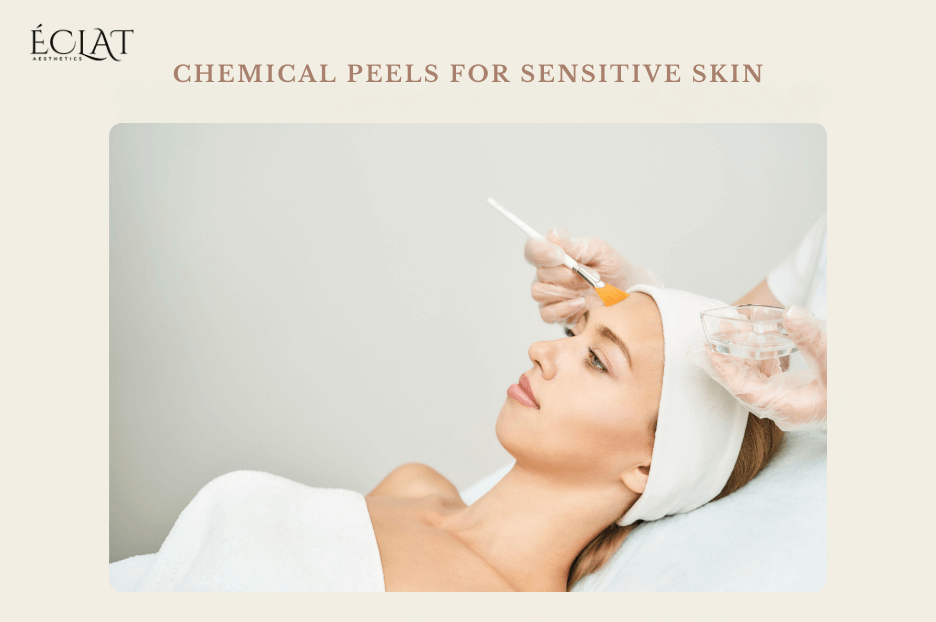
Chemical peels help remove dead skin cells, revealing smoother, healthier skin beneath. For sensitive skin, “light” or “superficial” peels are recommended, such as Lactic acid or Mandelic acid, which are less likely to cause irritation compared to deeper peels.
How it Works:
- Gentle, large-molecule acids are applied to the skin to exfoliate and improve skin texture slowly and safely.
Benefits:
- Helps reduce uneven skin tone and texture.
- Stimulates collagen production for firmer, younger-looking skin.
Precautions:
- Always use calming barrier creams after the procedure.
- Strictly avoid sun exposure to prevent further irritation.
3. Laser Treatments
Laser treatments, like Intense Pulsed Light (IPL), can be effective for treating sensitive skin concerns, such as redness, rosacea, and fine lines, with minimal risk of irritation.
How it Works:
- IPL uses specific light wavelengths to treat redness and pigmentation by targeting blood vessels.
Benefits:
- Reduces persistent redness and age spots.
- Improves overall skin texture and firmness.
Post-Treatment Care:
- Keep your skin intensely hydrated and avoid direct sunlight.
4. Microneedling
Microneedling is a treatment that uses tiny, sterilized needles to create micro-injuries in the skin, stimulating natural collagen production without causing major irritation or heat damage.
How it Works:
- Tiny needles create micro-channels in the skin, which prompts the body’s natural healing response and collagen formation.
Benefits:
- Reduces fine lines, scars, and acne marks.
- Strengthens the skin barrier over time.
Post-Treatment Care:
- Use hydrating and calming serums (like Vitamin B5).
- Avoid harsh skincare products (Retinoids/Acids) for a few days after treatment.
5. Cryotherapy (Cooling Facials)
Cryotherapy is a cooling treatment that reduces inflammation and redness, which is highly beneficial for sensitive or reactive skin. It uses cold temperatures to calm irritated tissue.
How it Works:
- Cold temperatures constrict blood vessels, instantly reducing swelling and redness.
Benefits:
- Reduces redness and puffiness.
- Promotes circulation and helps calm flare-ups.
Post-Treatment Care:
- Apply soothing and hydrating products after the treatment to lock in moisture.
6. LED Light Therapy
LED light therapy uses red and blue light to treat various skin conditions. This treatment is completely non-invasive, heat-free, and safe for even the most sensitive skin.
How it Works:
- Red light stimulates collagen production and soothes inflammation.
- Blue light helps treat acne by targeting bacteria without drying the skin.
Benefits:
- Calms inflammation and reduces acne breakouts.
- Safe for all skin types, including sensitive skin.
Post-Treatment Care:
- Keep your skin hydrated and protected from the sun.
Ready to Treat Your Sensitive Skin the Right Way?
Sensitive skin needs expert care, not guesswork. At Eclat Medical Aesthetics, our experienced professionals assess your skin type and recommend gentle, effective treatments designed to calm irritation and restore natural radiance without compromising skin health.
| Treatment | Suitability for Sensitive Skin | Key Benefits | Post-Treatment Care | Frequency of Treatment |
| Diamond Facial | Excellent for sensitive skin; non-invasive | – Gently exfoliates skin using diamond microdermabrasion. – Improves skin texture and radiance. – Reduces fine lines and uneven tone. | – Hydrate and use soothing creams. – Avoid sun exposure. | – Monthly for best results. |
| Chemical Peels | Suitable if light peels (e.g., lactic acid) are used | – Exfoliates dead skin cells. – Helps reduce acne, dark spots, and wrinkles. – Stimulates collagen production. | – Avoid sun exposure. – Use calming moisturizers. | – Every 4-6 weeks, depending on peel strength. |
| Laser Treatments (IPL/CO2) | Can be used with caution for sensitive skin | – Reduces redness, pigmentation, and fine lines. – Improves skin texture and tone. – Targets deeper layers of skin to boost collagen. | – Keep skin moisturized. – Use sunscreen daily. – Avoid harsh skincare products. | – Typically every 4-6 weeks. |
| Microneedling | Safe with professional guidance; use gentle needles | – Stimulates collagen production. – Improves skin texture, elasticity, and reduces scars. – Enhances absorption of serums and moisturizers. | – Use hydrating serums and soothing masks. – Avoid direct sunlight. | – Every 4-6 weeks for best results. |
| Cryotherapy | Safe for most sensitive skin types | – Reduces inflammation and redness. – Promotes circulation. – Helps to calm sensitive, irritated skin. | – Apply soothing, calming products. – Keep the skin hydrated. | – Monthly or as needed for inflammation. |
| LED Light Therapy | Excellent for sensitive skin, non-invasive | – Reduces acne and redness. – Calms inflammation and improves skin texture. – Safe for all skin types. | – Hydrate skin and protect it from sun exposure. | – Weekly to bi-weekly for best results. |
How to Choose the Right Treatment for Sensitive Skin?
Choosing the right treatment for your sensitive skin involves understanding your skin type and what it reacts to. Here are some factors to consider:
- Skin Sensitivity: If your skin is extremely sensitive, choose treatments that are non-invasive and have minimal downtime.
- Treatment Goals: Are you focusing on anti-aging, hydration, or acne? Understanding your goal will help you select the best treatment.
- Consult with a Professional: Always seek advice from a dermatologist or a medical aesthetics expert before undergoing any treatment. They can help you find a treatment tailored to your skin’s specific needs.
Pre-Treatment Care for Sensitive Skin
Before any treatment at a clinic, you should:
- Avoid harsh products: Stop using exfoliates, retinols, or products with alcohol 3–5 days before the treatment.
- Hydrate: Keep your skin moisturized and hydrated to make it less prone to irritation.
- Patch Test: If trying a new product or chemical peel, always perform a patch test to ensure you don’t react negatively.
Post-Treatment Care for Sensitive Skin
After undergoing aesthetic treatments, it’s essential to follow a proper skincare routine:
- Use soothing products: Aloe vera gel, hyaluronic acid, and hydrating masks are great for calming sensitive skin.
- Avoid sun exposure: Protect your skin from the sun with broad-spectrum sunscreen to avoid flare-ups and pigmentation.
- Limit makeup: Avoid heavy makeup for 24–48 hours after treatments, and use non-comedogenic products.
Possible Side Effects & How to Manage Them
Some mild side effects of aesthetic treatments include:
- Redness: A common reaction that should subside in a few hours or days.
- Swelling: You can use cold compresses to reduce swelling safely.
- Dryness: Use barrier-repair moisturizers to keep your skin hydrated. If side effects persist, consult your skin specialist immediately.
Importance of Professional Guidance
Sensitive skin needs personalized care, and that’s where a professional’s guidance comes in. Experts can assess your skin’s barrier function and suggest the most suitable treatments, reducing the risk of irritation and providing long-lasting, healthy results.
Results You Can Expect
With the right treatment plan, you can expect:
- Smoother, Brighter Skin: Treatments like Diamond Facials and Microneedling help to improve skin texture.
- Reduced Redness: Laser treatments and cryotherapy can help reduce chronic redness and inflammation.
- Long-Term Benefits: Regular treatments can help maintain youthful, radiant skin and prevent premature aging by strengthening the skin’s resilience.
Confidence Begins with Comfortable Skin Care
Sensitive skin doesn’t have to limit your glow. With the right treatments and a gentle approach, you can improve texture, radiance, and overall skin health without irritation. From Diamond Facials to mild peels and advanced aesthetic solutions, safe options are available to support sensitive skin needs.
Ready to give your skin the care it deserves?
Book a consultation with Eclat Medical Aesthetics today and discover treatments that work in harmony with your skin for healthy, radiant results.
Frequently Asked Questions
What are the best aesthetic treatments for sensitive skin?
Gentle options such as Diamond Facials, mild chemical peels (Lactic Acid), and LED Light Therapy are ideal for sensitive skin. These treatments help improve texture, hydration, and skin tone without triggering irritation.
How can I minimize irritation after a facial treatment?
Use soothing, fragrance-free skincare products, avoid makeup for 24–48 hours, protect your skin from sun exposure with SPF, and keep your skin well-hydrated to support the healing process.
Can people with sensitive skin safely get chemical peels?
Yes, sensitive skin can tolerate mild chemical peels such as lactic acid or mandelic acid when performed by a trained professional. Stronger peels like high-percentage TCA should be avoided.
How often should sensitive skin receive aesthetic treatments?
Treatment frequency depends on the procedure. Diamond Facials can typically be done every 4 weeks, while microneedling is usually recommended every 4–6 weeks based on skin tolerance.
Are there any treatments sensitive skin should avoid?
Yes, aggressive treatments such as deep chemical peels, high-energy lasers, or overly abrasive physical scrubs may cause irritation and should generally be avoided for sensitive skin types.