
Hormones play a powerful role in how our skin looks and feels over time. From early adulthood to later stages of life, Harmonal Skin Aging and hormonal changes affect oil production, collagen levels, hydration, and skin elasticity. As these shifts occur, the skin may begin to appear thinner, drier, and less firm, making fine lines and wrinkles more noticeable. These changes often happen gradually, which is why many people are surprised by how quickly their skin seems to age.
While aging is a natural process, understanding the impact of hormones on skin health can help slow visible signs of aging. In medical aesthetics, recognizing these hormonal influences is essential for effective prevention and treatment. This blog explores how hormonal changes contribute to skin aging and highlights medical aesthetic solutions that support healthier, smoother, and more youthful-looking skin over time.
What is Hormonal Aging?
Hormonal aging refers to how changes in hormone levels affect the appearance and overall health of the skin as we age. Hormones regulate many essential bodily functions, and as their levels shift due to aging, lifestyle factors, or medical conditions, they can directly impact the skin’s structure, texture, and ability to maintain a youthful appearance.
The most significant hormonal changes linked to skin aging involve estrogen, progesterone, testosterone, and cortisol. When these hormones become imbalanced, the skin may lose elasticity, moisture, and firmness. Over time, this can lead to visible signs of aging such as wrinkles, sagging, dullness, and uneven skin tone.
How Hormonal Changes Affect Skin Aging
Estrogen and Skin Aging
Estrogen plays a critical role in maintaining skin health. It helps keep the skin thick, hydrated, and youthful-looking by promoting collagen production. Collagen is a protein that gives skin its structure and firmness. As estrogen levels decrease, particularly during menopause, the skin loses its ability to regenerate and repair itself as efficiently, leading to fine lines and wrinkles.
In the absence of estrogen, the skin becomes thinner, loses its ability to retain moisture, and becomes more susceptible to environmental damage. This can result in dry, sagging skin and reduced skin elasticity.
Testosterone and Skin Health
Testosterone is typically associated with male characteristics, but it also plays an important role in the skin health of women. As women age, testosterone levels naturally decline, which can lead to changes in the skin’s texture and appearance. Testosterone contributes to oil production, and when its levels decrease, the skin can become drier.
Additionally, testosterone helps with maintaining muscle mass and skin thickness. Its reduction may contribute to the loss of skin firmness, further exacerbating signs of aging.
Progesterone’s Role in Skin Health
Progesterone is another key hormone that impacts skin health. It works in tandem with estrogen to maintain skin hydration and promote healthy cell turnover. During hormonal fluctuations, such as during menopause or perimenopause, progesterone levels drop, which can result in an increase in skin dryness and a decrease in skin elasticity.
Additionally, progesterone has a balancing effect on sebum production (the oil produced by sebaceous glands in the skin). When progesterone levels decrease, it can contribute to dryness or an imbalance in the skin’s oil production, leading to breakouts or dry patches.
Combat Hormonal Skin Aging Now!
Get expert advice and aesthetic treatments personalized to your skin. Start your journey to healthier skin today.
Cortisol and Stress-Induced Skin Aging
Cortisol, the body’s primary stress hormone, can have significant effects on skin health. Chronic stress causes the body to produce higher levels of cortisol, which can accelerate the aging process. Cortisol breaks down collagen and elastin, two essential proteins that help maintain skin’s strength and elasticity.
Elevated cortisol levels can also impair the skin’s ability to heal and regenerate, leading to an increase in fine lines, wrinkles, and sagging. This is often exacerbated by stress-induced behaviors like poor diet, lack of sleep, and inadequate skincare, all of which can contribute to faster skin aging.
Signs of Hormonal Skin Aging
As hormones fluctuate, various signs of aging begin to appear on the skin. Here are the most common signs associated with hormonal skin aging:
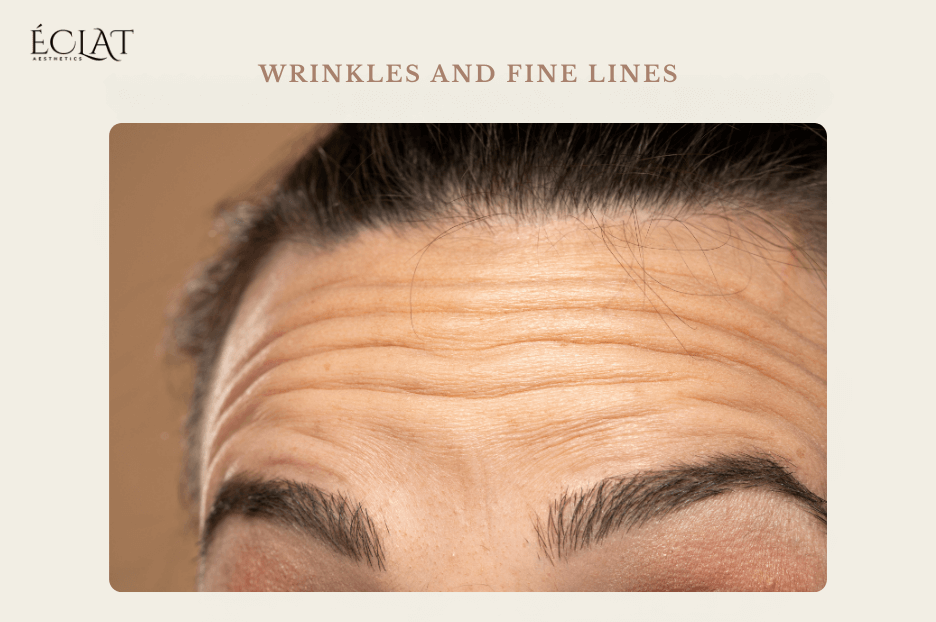
- Wrinkles and Fine Lines: One of the first signs of hormonal aging is the appearance of fine lines and wrinkles. The decline in estrogen levels reduces collagen production, making the skin less resilient and more prone to creases, especially around the eyes, mouth, and forehead.
- Loss of Skin Firmness and Elasticity: Hormonal changes can lead to a reduction in skin elasticity, resulting in sagging and a lack of youthful firmness. Collagen and elastin fibers, which provide structure to the skin, degrade as hormone levels fluctuate, leading to a loss of skin volume and the formation of drooping skin, particularly around the jawline and neck.
- Dryness and Thinning of the Skin: Decreased estrogen, progesterone, and testosterone levels can cause the skin to become dry and thinner. This makes the skin more fragile, prone to irritation, and less able to retain moisture. As a result, the skin appears dull and rough, with a noticeable lack of plumpness.
- Hyperpigmentation: Hormonal imbalances, particularly during menopause, can lead to hyperpigmentation or uneven skin tone. Conditions like melasma, often triggered by fluctuations in estrogen, can cause dark spots to appear on the skin, particularly on the face. This type of pigmentation can be challenging to treat, but with the right skincare, its appearance can be minimized.
Treatment Options for Hormonal Skin Aging
While hormonal skin aging is inevitable, there are many treatment options available to address its effects. These treatments range from hormonal therapies to medical aesthetics and skincare products. Here are some common solutions:
Hormonal Therapy
Hormonal therapy, such as hormone replacement therapy (HRT), is often used to treat skin aging caused by a lack of estrogen or progesterone. These therapies help balance hormone levels and can lead to improvements in skin thickness, hydration, and elasticity.
Topical Anti-Aging Treatments
Topical treatments, such as retinoids, vitamin C, and hyaluronic acid, can help boost collagen production and improve skin texture. Retinoids, in particular, stimulate cell turnover and can minimize the appearance of fine lines and wrinkles, while vitamin C helps brighten the skin and reduce pigmentation.
Medical Aesthetic Procedures
For more advanced treatment, medical aesthetics offers a variety of procedures designed to address hormonal skin aging:
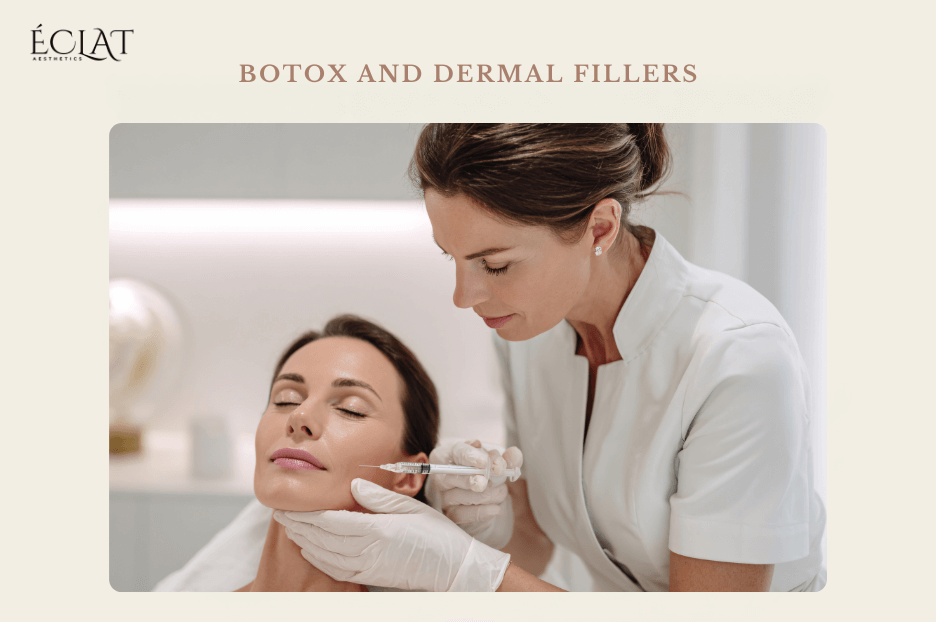
- Botox and Dermal Fillers: These injectable treatments can reduce wrinkles and restore volume to the skin.
- Microneedling and Laser Therapy: Often called collagen induction therapy, these treatments promote collagen production and improve skin texture.
- Chemical Peels: Professional chemical peels help exfoliate the skin, reducing the appearance of hyperpigmentation and fine lines.
Diet and Lifestyle Adjustments
Maintaining a healthy diet and lifestyle is essential in combating hormonal skin aging. A diet rich in antioxidants, omega-3 fatty acids, and vitamins can support skin health and combat the effects of oxidative stress. Regular exercise, adequate hydration, and good sleep hygiene also play significant roles in keeping the skin healthy and youthful.
Preventing Hormonal Skin Aging
While we can’t stop the natural process of aging, we can take steps to slow it down. Maintaining balanced hormone levels is essential for preventing premature skin aging. Regular checkups with a healthcare provider can help detect hormonal imbalances early and allow for timely interventions.
For skincare, a consistent routine personalized to hormonal changes is essential. Using moisturizers, sunscreens, and treatments designed for mature skin can help manage dryness and maintain skin elasticity. Additionally, using anti-aging serums with ingredients like peptides and growth factors can support the skin’s structure and prevent the signs of aging.
Why Choose ECLAT for Hormonal Skin Aging Treatments?
At Eclat Medical Aesthetics, we specialize in addressing the unique challenges of hormonal skin aging. With a deep understanding of how hormones like estrogen, testosterone, and cortisol affect your skin, we offer personalized aesthetic treatments that target these changes. From advanced medical aesthetics to personalized medical-grade skincare regimens, we provide solutions that not only address the visible signs of aging but also promote overall skin health.
Our expert team is dedicated to helping you restore your skin’s vitality and youthfulness. With the latest technology and treatments, you can take control of your skin’s aging process and maintain a glowing complexion for years to come.
Managing Hormonal Skin Aging for a Youthful Glow
Hormonal changes play a major role in how our skin ages over time. Understanding the effects of hormones such as estrogen, testosterone, and cortisol can empower individuals to take proactive steps in caring for their skin. Through a combination of medical aesthetics treatments and lifestyle adjustments, it is possible to address the visible signs of aging and support overall skin health. While hormonal skin aging is a natural process, the right approach can help maintain a youthful, radiant appearance for years to come.
If you’re noticing changes in your skin related to hormonal shifts, consulting a medical aesthetics professional can be a game-changer. They can help create a personalized treatment plan designed to restore and enhance your skin’s natural glow, proving that it’s never too late to look and feel your best.
Restore Your Skin’s Youthful Glow!
Struggling with hormonal skin aging? Book a consultation today to explore treatments like Botox, dermal fillers, and laser therapy.
Frequently Asked Questions
How do hormonal changes cause skin aging?
Hormonal changes, particularly fluctuations in estrogen, testosterone, and progesterone, can lead to a decrease in collagen production, reduced skin moisture, and loss of elasticity, all of which contribute to wrinkles, sagging, and dryness, causing the skin to age prematurely.
What hormonal changes are most responsible for skin aging?
The most significant hormonal changes that impact skin aging are a decrease in estrogen (during menopause), a drop in progesterone, and a reduction in testosterone. These changes affect collagen production, skin hydration, and oil secretion, leading to visible signs of aging like fine lines, wrinkles, and sagging.
Can hormone therapy help reduce skin aging?
Yes, hormone replacement therapy (HRT) can help balance estrogen and progesterone levels, which may improve skin thickness, hydration, and elasticity. However, it’s important to consult a healthcare provider before starting any hormone therapy to assess its suitability for you.
What are the best treatments for hormonal skin aging?
Treatments for hormonal skin aging include topical anti-aging products (such as retinoids and hyaluronic acid), medical aesthetic procedures like Botox, dermal fillers, microneedling, and laser therapy, as well as lifestyle changes like a healthy diet, exercise, and adequate sleep.
How can I prevent skin aging due to hormonal changes?
To prevent hormonal skin aging, maintain a balanced diet rich in antioxidants and omega-3s, stay hydrated, exercise regularly, manage stress, and follow a skincare routine that includes moisturizers and sunscreens. Regular consultations with a healthcare provider can also help address any hormonal imbalances early.